
The article discusses the alarming prevalence and impact of sexual harassment among adolescents. The author, a therapist and father, shares personal insights reflecting both professional and parental concerns. It highlights statistics revealing that many young Australians, both sexes, experience various forms of harassment, often starting in their early teens, and emphasizes the need for open conversations about boundaries, consent, and the seriousness of such behaviors. The piece advocates for proactive discussions, teaching teenagers about personal space and respect, and suggests strategies for parents and educators to better support young people facing these issues, aiming for a shift in societal attitudes.
Category Archives: Reflections
Are We Wired for Selfishness?

The article proposes that human’s are naturally altruism versus inherently selfishness, suggesting that prevailing views may stem from rather recent (western) philosophical ideologies compared to our time on the planet and age of other cultures.
Psychological egoism argues that all actions are ultimately self-serving, supported by figures like Hobbes and Mandeville. However, critics like Hume and Butler advocate for genuine altruistic motivations. Ricard combines philosophical insights with scientific research in neuroscience and evolutionary biology, asserting that humans have an innate capacity for altruism that can be nurtured for broader impact.
Is Context Important for Right and Wrong?

This post examines the nuances of human interaction and the importance of context in evaluating others’ actions and words. It highlights the shift between objective and empathetic thinking when context does and doesn’t exist. Using personal examples around race, gender, and trauma, it argues that only with context can we have a deeper understanding of people and situations. That consciously thinking about someone’s context allows for greater acceptance and flexibility. Recognizing context is vital for meaningful societal change.
Cultural Habitus Capital: The Underpinnings of Bias and Social Exclusion in Society and our Workplaces

What underpins societal and workplace interactions, bias and inclusion. Cultural habitus capital plays a crucial role in shaping team dynamics and workplace culture. By understanding and valuing the diverse backgrounds (in all its forms) of employees, organizations can enhance communication, reduce bias and discrimination, and promote a more inclusive and innovative work environment. Leveraging cultural habitus capital not only supports individual employee success but also drives overall organizational effectiveness and global competence.
The People We Choose

The author reflects on their experiences and emphasizes the importance of a supportive and open environment. They value learning from others, seeking genuine connections, and embracing vulnerability. The text highlights the impact of organizational culture on individual attitudes and behaviors. Ultimately, the author seeks meaningful and supportive relationships in both personal and professional aspects of life.
Intent

Intent – a word that not only helps guide us, but is also how we perceive others and learn more about ourselves.
Human Nature and Criticism
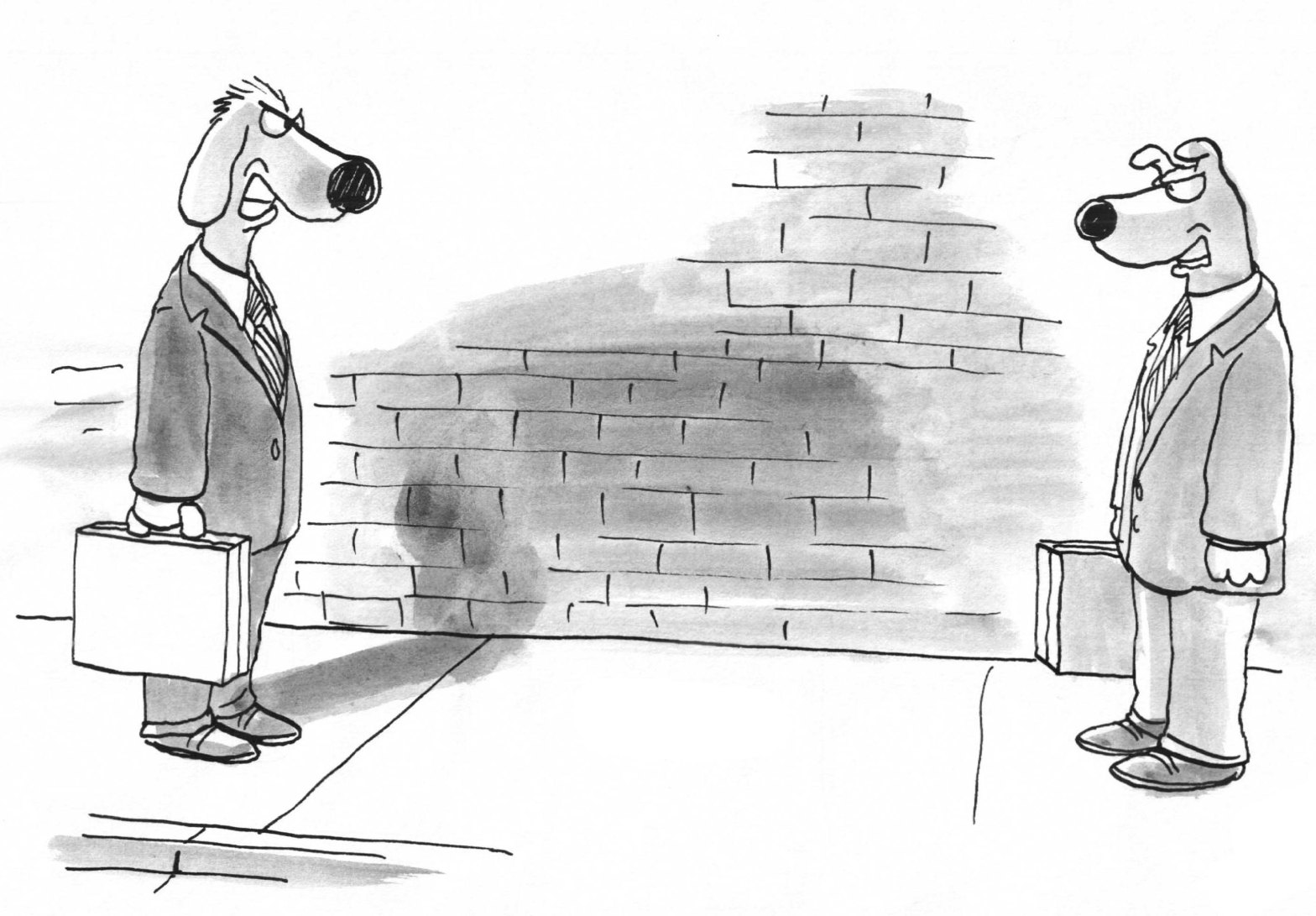
Our role in feedback and criticism.
Understanding and promoting a supportive environment goes to broader social systems and also goes right to the heart of ego.
Choosing thought
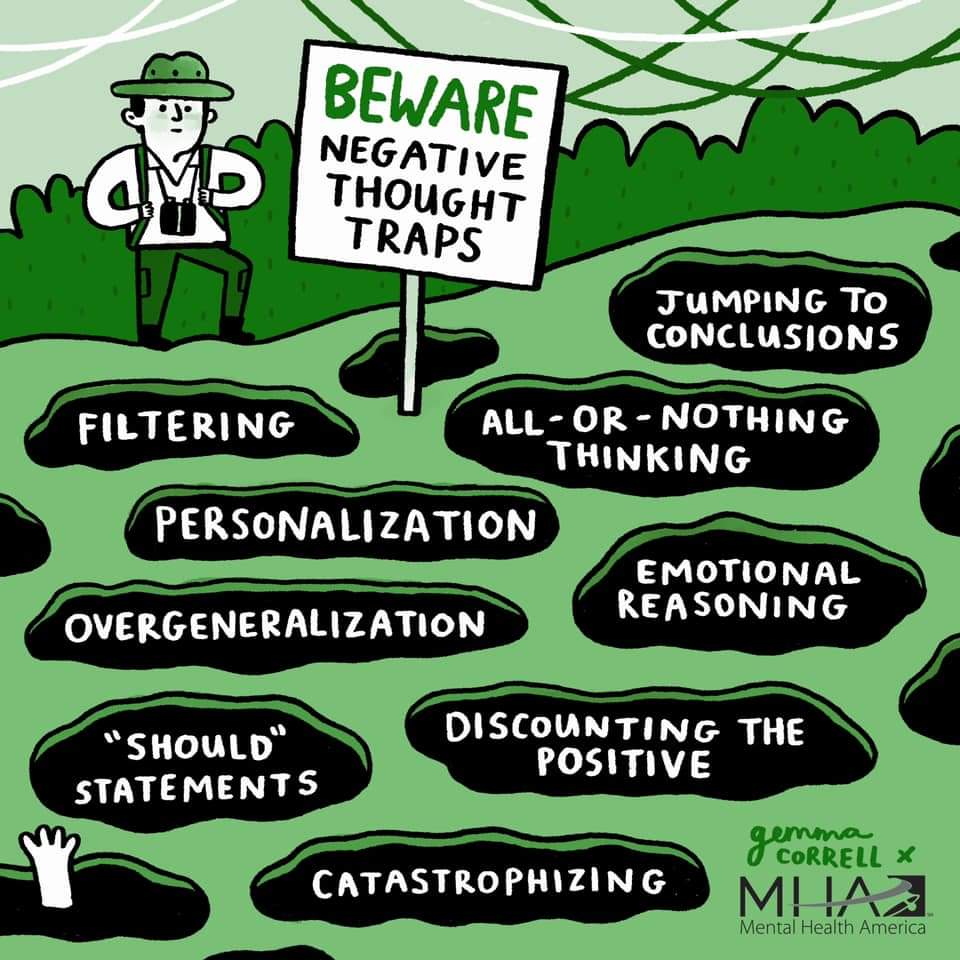
So I came across this great quote the other day about worry. That worrying about the things that haven’t happened is somewhat pointless. But it got me thinking about the information I come across in social and my training, that in the end a lot of it comes down to awareness and decisions about thought.ContinueContinue reading “Choosing thought”
Yes you are right, I am being defensive
Is being defensive ok? This article is about emotional awareness on the source, some clarity on what it is and isn’t and some tips for people that use it disarm/disable you. Let me start off by first acknowledging that we all get defensive at times. When I think of someone calling me ‘defensive’, it bringsContinueContinue reading “Yes you are right, I am being defensive”
Who tells you you’re wrong?
From work to personal relationships, many studies suggest honesty and trustworthiness are among the top few traits we value most in others. Yet I think we struggle to be open to hearing it, and to share it with others. In this article I want to talk to finding people who are able to be trulyContinueContinue reading “Who tells you you’re wrong?”
 Jason Waddell