
The article discusses the alarming prevalence and impact of sexual harassment among adolescents. The author, a therapist and father, shares personal insights reflecting both professional and parental concerns. It highlights statistics revealing that many young Australians, both sexes, experience various forms of harassment, often starting in their early teens, and emphasizes the need for open conversations about boundaries, consent, and the seriousness of such behaviors. The piece advocates for proactive discussions, teaching teenagers about personal space and respect, and suggests strategies for parents and educators to better support young people facing these issues, aiming for a shift in societal attitudes.
Tag Archives: mental-health
Are We Wired for Selfishness?

The article proposes that human’s are naturally altruism versus inherently selfishness, suggesting that prevailing views may stem from rather recent (western) philosophical ideologies compared to our time on the planet and age of other cultures.
Psychological egoism argues that all actions are ultimately self-serving, supported by figures like Hobbes and Mandeville. However, critics like Hume and Butler advocate for genuine altruistic motivations. Ricard combines philosophical insights with scientific research in neuroscience and evolutionary biology, asserting that humans have an innate capacity for altruism that can be nurtured for broader impact.
At Our Best

Competing needs and obligations make it tough to operate at my best sometimes. And I think in todays’ world the push to be always-on, always achieving etc makes it tougher.
This article is a reflection on what ‘best self’ is to me and the importance of understanding personal well-being. Achieving one’s best state requires intentionality, discipline, and reflection. The piece suggests prioritizing balance, health, and awareness to combat stress and anxiety.
Building the Relationship with Children in new Blended Families
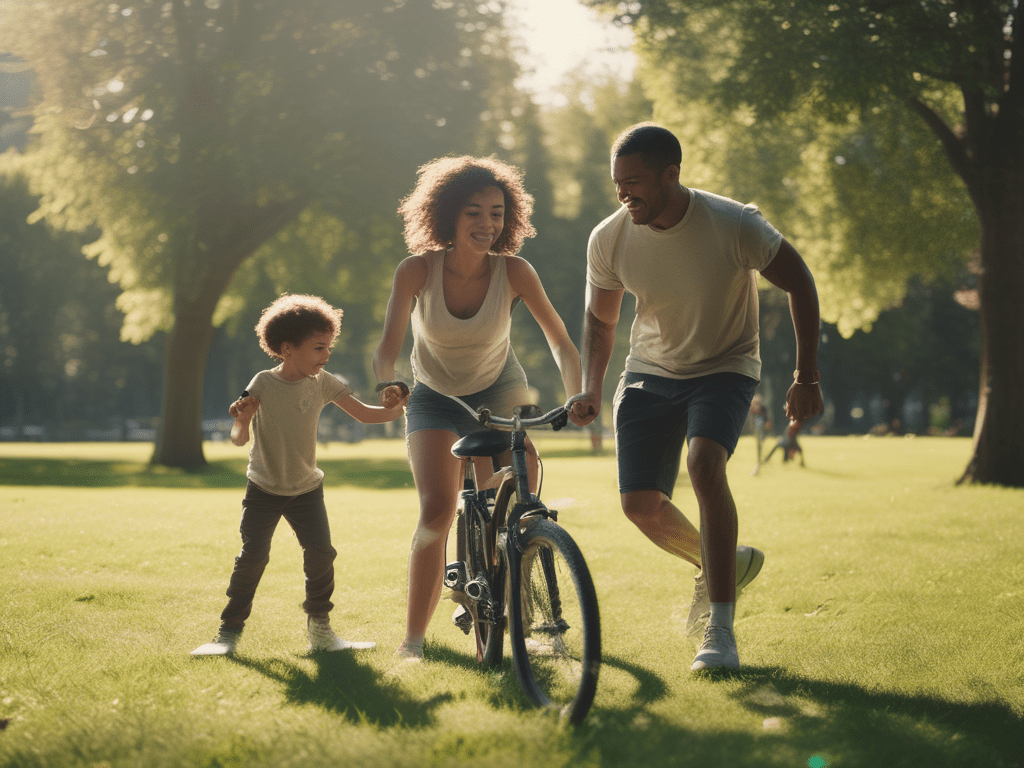
Blending families is a significant transition that requires patience, understanding, and love, especially when it comes to building relationships with children. To foster strong bonds, it’s crucial to prioritize patience, create a safe space for communication, establish new traditions, respect previous relationships, build individual connections with each child, be consistent and reliable, work as a team with your partner, and seek professional support if needed. By prioritizing these aspects, you can create a loving and cohesive family environment for everyone involved, making the journey of blending families a unique and gentle process.
 Jason Waddell